
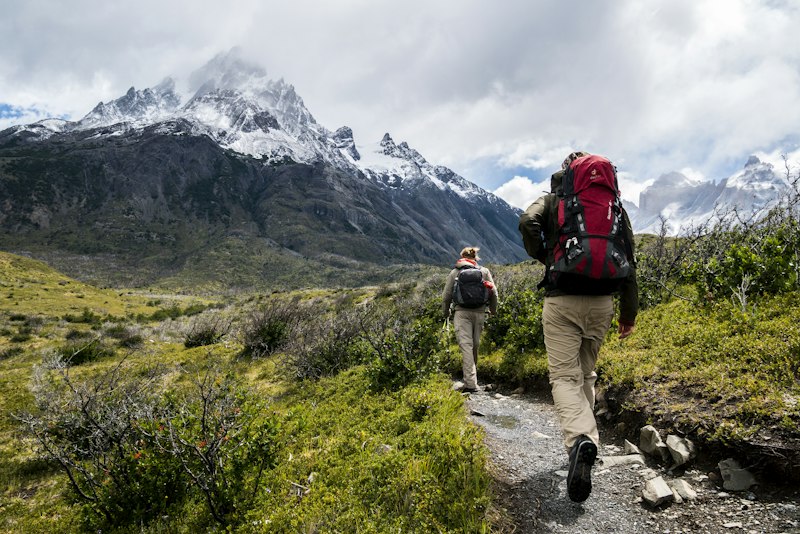
Mera Peak, standing at 6,476 meters (21,247 feet), offers one of the most rewarding high-altitude adventures in the Himalayas. As Nepal’s highest designated trekking peak, it serves as the ultimate stepping stone between classic trekking and technical alpine mountaineering. The journey begins with a scenic drive along the B.P. Highway to Phaplu and Bupsa, proceeding through the tranquil Lower Cultural Trail before entering the pristine wilderness of Makalu Barun National Park.
The expedition route ascends gradually through diverse ecosystems, transitioning from dense rhododendron and pine forests into alpine moraines and glaciated terrain. Essential acclimatization stops at Thangnak and Khare allow climbers to adapt safely to high altitude while receiving pre-summit skills training from expert Sherpa guides.
The summit push targets Mera Central via a straightforward north-face glacier route, requiring basic mountaineering techniques such as using crampons, ice axes, and fixed ropes on 30-40 degree slopes. From the summit, climbers are rewarded with an extraordinary 360-degree panorama of five of the world's fourteen 8,000-meter peaks: Mount Everest (8,849m), Lhotse (8,586m), Cho Oyu (8,188m), Makalu (8,485m), and Kanchenjunga (8,586m).
Expedition Highlights & Key Features
- Summit Nepal's Highest Trekking Peak: Reach the summit of Mera Peak (6,476m / 21,247ft), bridging the gap between trekking and high-altitude climbing.
- Spectacular 8,000m Peak Panorama: Enjoy sweeping views of five of the world's highest mountains: Everest, Lhotse, Cho Oyu, Makalu, and Kanchenjunga.
- Hands-On Mountaineering Experience: Master essential snow and ice techniques, including glacier travel, using crampons, ice axes, and fixed rope navigation.
- Comprehensive Acclimatization Strategy: Built-in rest and training days at Thangnak (4,300m) and Khare (4,900m) led by professional Sherpa guides to optimize summit success.
- Rich Cultural & Ecological Diversity: Trek through traditional Sherpa settlements, ancient gompas, and the pristine alpine habitats of Makalu Barun National Park.
Mera Peak Summit: A Journey to Nepal's Highest Trekking Peak Overview
Outline Itinerary
Arrival in Kathmandu
Drive from Kathmandu to Phaplu
Drive from Phaplu to Bupsa
Trek from Bupsa to Panggom
Trek from Panggom to Ramailo Danda via Panggom La
Trek from Ramailo Danda to Chatarwa Khola
Trek from Chatarwa Khola to Kothe
Trek from Kothe to Thangnak
Acclimatization Day at Thangnak (Excursion to Thangnak Ri)
Trek from Thangnak to Khare
Acclimatization Day at Khare (Training & Mera La Hike)
Trek from Khare to Mera Peak High Camp
Summit Mera Peak and Descend to Khare
Trek from Khare to Kothe
Trek from Kothe to Thuli Kharka
Trek from Thuli Kharka to Lukla via Zatrwa La Pass
Flight from Lukla to Kathmandu
Free Day in Kathmandu
Final Departure from Kathmandu
Mera Peak Summit: A Journey to Nepal's Highest Trekking Peak Itinerary
Day 1: Arrival in Kathmandu
Day 2: Drive from Kathmandu to Phaplu
Day 3: Drive from Phaplu to Bupsa
Day 4: Trek from Bupsa to Panggom
Day 5: Trek from Panggom to Ramailo Danda via Panggom La
Day 6: Trek from Ramailo Danda to Chatarwa Khola
Day 7: Trek from Chatarwa Khola to Kothe
Day 8: Trek from Kothe to Thangnak
Day 9: Acclimatization Day at Thangnak (Excursion to Thangnak Ri)
Day 10: Trek from Thangnak to Khare
Day 11: Acclimatization Day at Khare (Training & Mera La Hike)
Day 12: Trek from Khare to Mera Peak High Camp
Day 13: Summit Mera Peak and Descend to Khare
Day 14: Trek from Khare to Kothe
Day 15: Trek from Kothe to Thuli Kharka
Day 16: Trek from Thuli Kharka to Lukla via Zatrwa La Pass
Day 17: Flight from Lukla to Kathmandu
Day 18: Free Day in Kathmandu
Day 19: Final Departure from Kathmandu
Package Includes
Arrival & Departure Services
-
Pick-up and drop-off transfers in Kathmandu
-
3 nights 3/4-star hotel accommodation in Kathmandu with breakfast
-
Welcome dinner on arrival day
Government Fees & Permits
-
Mera Peak climbing permit and garbage deposit fee
-
Makalu Barun National Park entry permit
-
Mandatory full insurance coverage for all local staff and crew
Trekking & Transport
-
Domestic flight from Lukla to Kathmandu
-
Private ground transport for all transfers specified in the itinerary
-
Teahouse/lodge accommodation with full-board meals (breakfast, lunch, dinner) during the trek
-
Professional trekking guide and porters
Base Camp & High Camp
-
Shared high-altitude tents (2 members per tent) with dining and toilet facilities
-
Freshly prepared full-board meals and unlimited hot drinks at Base Camp
-
High-altitude climbing equipment, Epi Gas, stoves, walkie-talkies, and emergency oxygen kit
Climbing Staff Support
-
High-altitude certified Mountain Guide and Climbing Sherpas
-
Complete wages, equipment, food, accommodation, and flights for all Sherpas and guides
Extra Amenities
-
Complimentary company duffle bag and cap
-
Nepali SIM card for local communication
-
Kathmandu guided sightseeing tour
-
Official Mera Peak Climbing Certificate from NMA
Package Excludes
Travel & Visa Fees
-
International airfare to and from Nepal
-
Nepal entry visa fees
Insurance & Evacuation
-
Mandatory personal travel and high-altitude climbing insurance
-
Emergency rescue and medical evacuation expenses
Personal Equipment & Items
-
Personal high-altitude clothing and climbing gear
-
Personal expenses such as extra snacks, soft drinks, alcoholic beverages, laundry, and Wi-Fi
Staff Tips & Bonuses
-
Summit bonus for climbing Sherpas and guides
-
Tipping for trekking guides, porters, and driver crew
Mera Peak Expedition
The Mera Peak (6,476m / 21,247ft) expedition is designed for adventurous trekkers looking to make the leap into high-altitude Himalayan climbing. Situated in the tranquil Makalu Barun National Park region, Mera Peak is recognized as Nepal's highest designated trekking peak. While the standard northern route is technically non-demanding, the climb presents serious high-altitude and environmental challenges due to sub-zero temperatures, glaciated terrain, and high elevation.
Proper physical preparation, gradual acclimatization, and high-quality cold-weather gear are critical to ensuring a safe and successful summit. Trekkers will transition through diverse landscapes—from dense pine and rhododendron forests into high alpine moraines and glaciated slopes. Basic training on equipment usage (crampons, ice axes, fixed ropes, and harness management) is conducted by Sherpa climbing guides at base camp prior to the summit push.
Equipment Requirements
1. High-Altitude Footwear
-
Mountaineering Boots: Automatic or semi-automatic step-in double boots rated for extreme cold (-20°C or colder).
-
Trekking Boots: Sturdy, waterproof, broken-in ankle-support boots for the lower trail.
-
Micro-Spikes / Gaiters: High-quality gaiters for snow protection and micro-spikes for icy paths.
-
Socks: 4-5 pairs of heavy wool/synthetic trekking socks and 2 pairs of thick merino mountaineering socks.
2. Layered Clothing System
-
Base Layers: 2-3 sets of synthetic or merino wool thermal tops and bottoms (expedition weight).
-
Mid-Layers: Fleece jacket/pullover and stretch soft-shell trekking pants.
-
Outer Shell: Fully waterproof and windproof Gore-Tex jacket and hard-shell pants.
-
Insulated Layers: High-loft down jacket (-20°F to -40°F rated) with hood, and insulated/down pants.
3. Head & Hand Protection
-
Headwear: Warm fleece/wool ski hat, UV protection sun hat, balaclava, and versatile neck gaiters (Buff).
-
Eyewear: Category 4 glacier glasses with side shields and high-contrast ski goggles.
-
Headlamp: LED headlamp (200–300 lumens) with spare cold-weather batteries.
-
Handwear: Lightweight liner gloves, insulated leather mountaineering gloves, and heavy expedition down mittens.
4. Technical Climbing & Personal Gear
-
Climbing Safety Hardware: Harness, crampons (matched to mountaineering boots), ice axe with leash, ascender (Jumar), belay/descender device, 2 locking carabiners, 2 non-locking carabiners, and safety lanyards.
-
Sleep System: Extreme cold down sleeping bag rated (-20°C to -30°C / -20°F) with a compression stuff sack.
-
Packs: Large water-resistant duffle bag (carried by porters) and a 30L–40L daypack with rain cover for daily trekking.
-
Hydration & Sundries: 2x wide-mouth insulated water bottles, insulated flask, SPF 50+ sunscreen, lip balm with UV block, personal first-aid kit, and water treatment tablets.